HRV - Dont sweat the petty.
Why HRV Might Not Be as Important as You Think
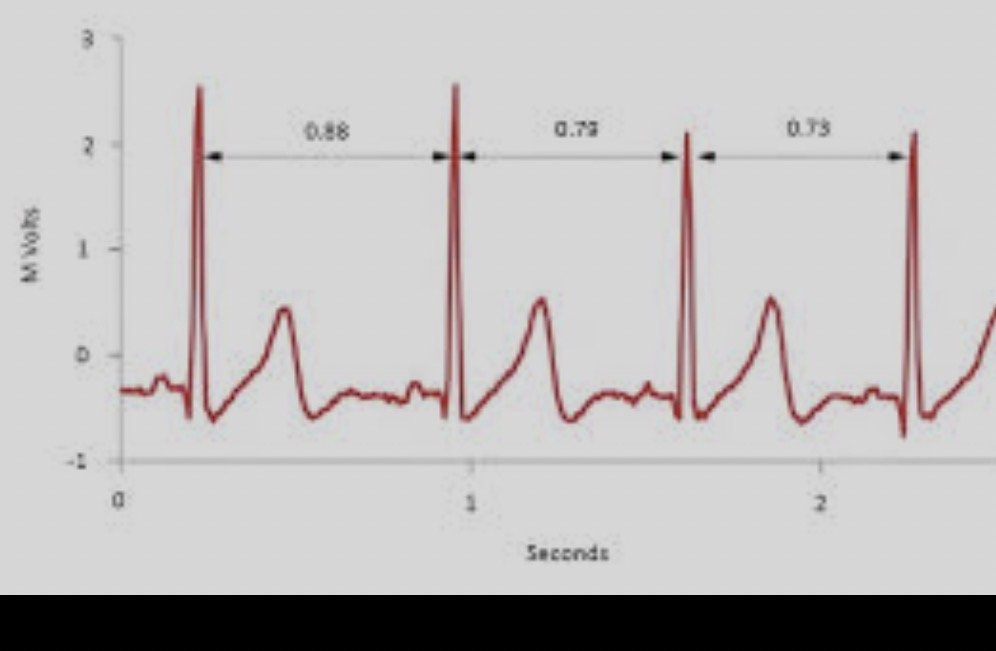
Heart Rate Variability (HRV) has become a hot topic in health and fitness circles, often touted as a key indicator of overall well-being, stress, and recovery. But before you jump on the HRV bandwagon, it’s worth considering that it may not be as crucial as many claim. Here are a few reasons why HRV might not be as important as it's made out to be:
1. Context Matters More Than a Single Metric
HRV is just one piece of the puzzle. It's often used to gauge how well your body is recovering or how stressed it is. But focusing solely on HRV can distract you from a more holistic approach to health, such as nutrition, sleep, and physical activity. Your overall lifestyle, including mental health and how you manage stress, plays a much larger role in your well-being than a single metric.
2. Variability is Normal
HRV represents the variation in time between heartbeats, and a higher HRV is often seen as a sign of a resilient, healthy heart. However, HRV can be affected by numerous factors that have little to do with your actual health. These factors include caffeine intake, sleep quality, hydration, medications, or even emotional stress from work or relationships. So, a low HRV doesn’t automatically mean you're in bad shape—it may just reflect a temporary fluctuation.
3. HRV Isn't a Perfect Indicator
While HRV can provide some insights into your autonomic nervous system and recovery, it’s not a foolproof measure. Individual differences, such as genetics or baseline health status, can make it hard to compare HRV across different people. Additionally, HRV metrics can vary depending on the device used and the time of day, making it difficult to draw consistent, actionable conclusions.
4. Overemphasis on HRV Can Cause Anxiety
For some, obsessing over HRV scores can become counterproductive. Rather than fostering an empowered mindset, constantly checking HRV can lead to stress and anxiety, especially if you're using it to micromanage every aspect of your life. Stress about your HRV can actually lower your HRV, creating a vicious cycle.
5. It’s Just One Aspect of Recovery
HRV might provide some useful data on your recovery status, but it doesn't take into account other essential aspects of recovery, such as muscle repair, mental health, or nutrition. Two people with the same HRV scores may have vastly different recovery needs. Relying too heavily on HRV can make you miss other important signs of progress or need for rest.
Conclusion
While HRV can be a helpful tool for some individuals, it’s not the be-all and end-all of health and fitness. If you’re overly focused on HRV, you might be missing out on other important markers of wellness. Remember to take a more comprehensive approach to health—considering factors like diet, sleep, exercise, and mental well-being—rather than putting all your energy into a single number. After all, no one metric can truly capture the complexity of human health.
So… Don’t sweat the petty, pet the sweaty.